What Is Short Cycling?
Short cycling happens when your air conditioner turns on, runs for a brief period, shuts off, and then starts up again sooner than normal. Instead of completing a full cooling cycle, the system keeps stopping before it has properly cooled your home.
An air conditioner should usually run long enough to reach the desired thermostat setting and remove humidity from the air. When the cycles are too short, your system loses efficiency and your home may still feel warm or uncomfortable.
Why Short Cycling Is a Problem
A short cycling AC system does more than create an annoyance. It can cause several bigger problems over time.
- Higher energy bills: Starting an air conditioner requires more energy than simply letting it run through a normal cycle. When the unit turns on and off repeatedly, it can use more electricity than it should.
- Extra wear and tear: Frequent starts and stops put stress on important components such as the compressor, capacitor, and blower motor. That added strain can shorten the life of your system.
- Uneven cooling: Short cycling often prevents your home from reaching a steady, comfortable temperature. Some rooms may feel warmer than others, and humidity levels may remain too high.
- Increased chance of breakdowns: If the cause of short cycling is not corrected, the problem can eventually lead to more serious equipment failure.
Common Causes of AC Short Cycling
There are several reasons an air conditioner may keep turning on and off too quickly. Some are simple, while others require professional diagnosis.
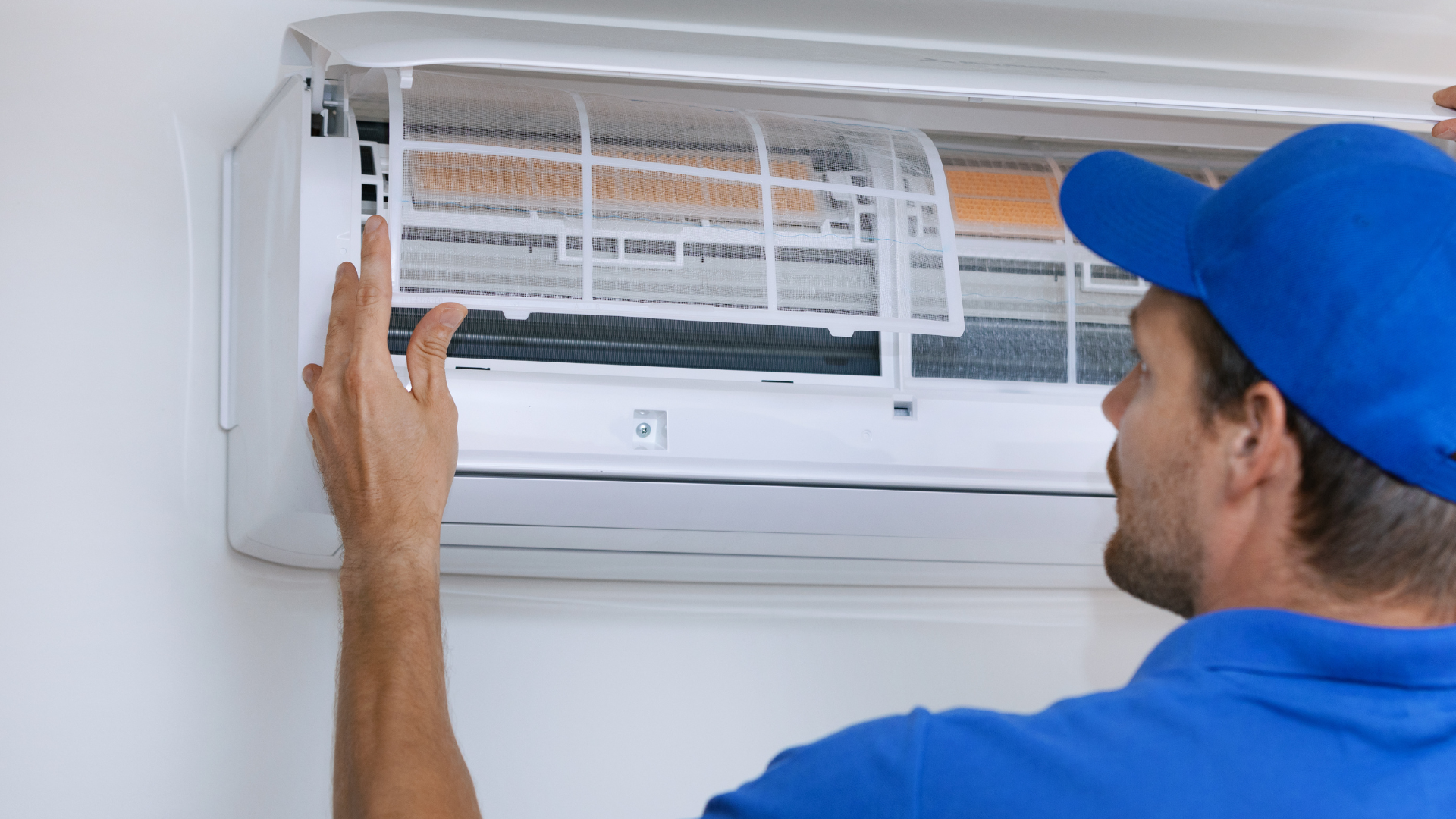
Dirty air filter: A clogged air filter can restrict airflow and make your system work harder than necessary. Reduced airflow may cause the system to overheat or behave inefficiently, contributing to short cycling.
Changing the filter regularly is one of the easiest ways to support proper AC performance.
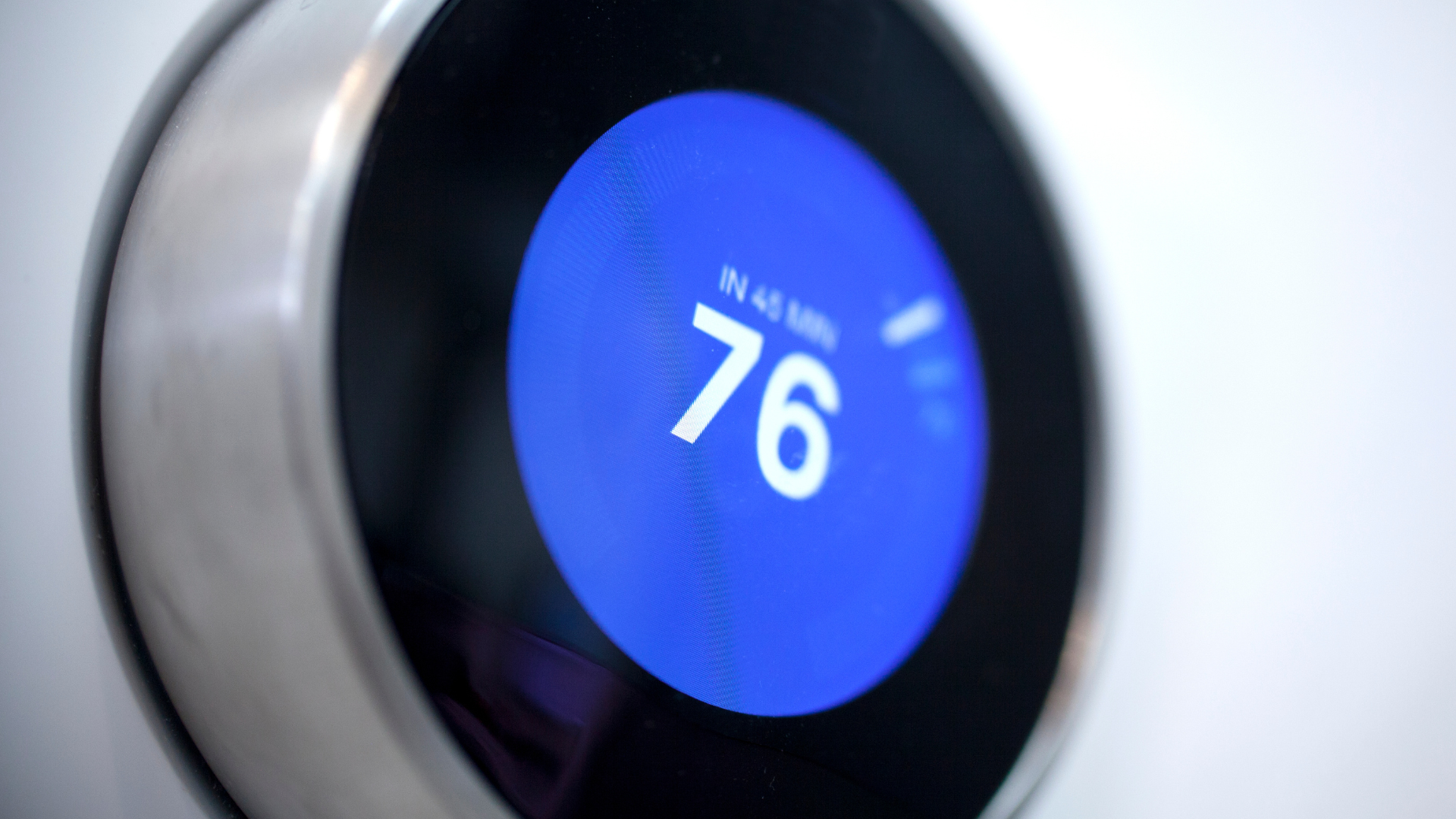
Thermostat problems: Sometimes the issue is not with the air conditioner itself but with the thermostat. If the thermostat is malfunctioning, installed in the wrong location, or reading the temperature incorrectly, it may tell the system to shut off too soon.
For example, if a thermostat is placed near a vent or in direct sunlight, it may think the room is cooler than it actually is.
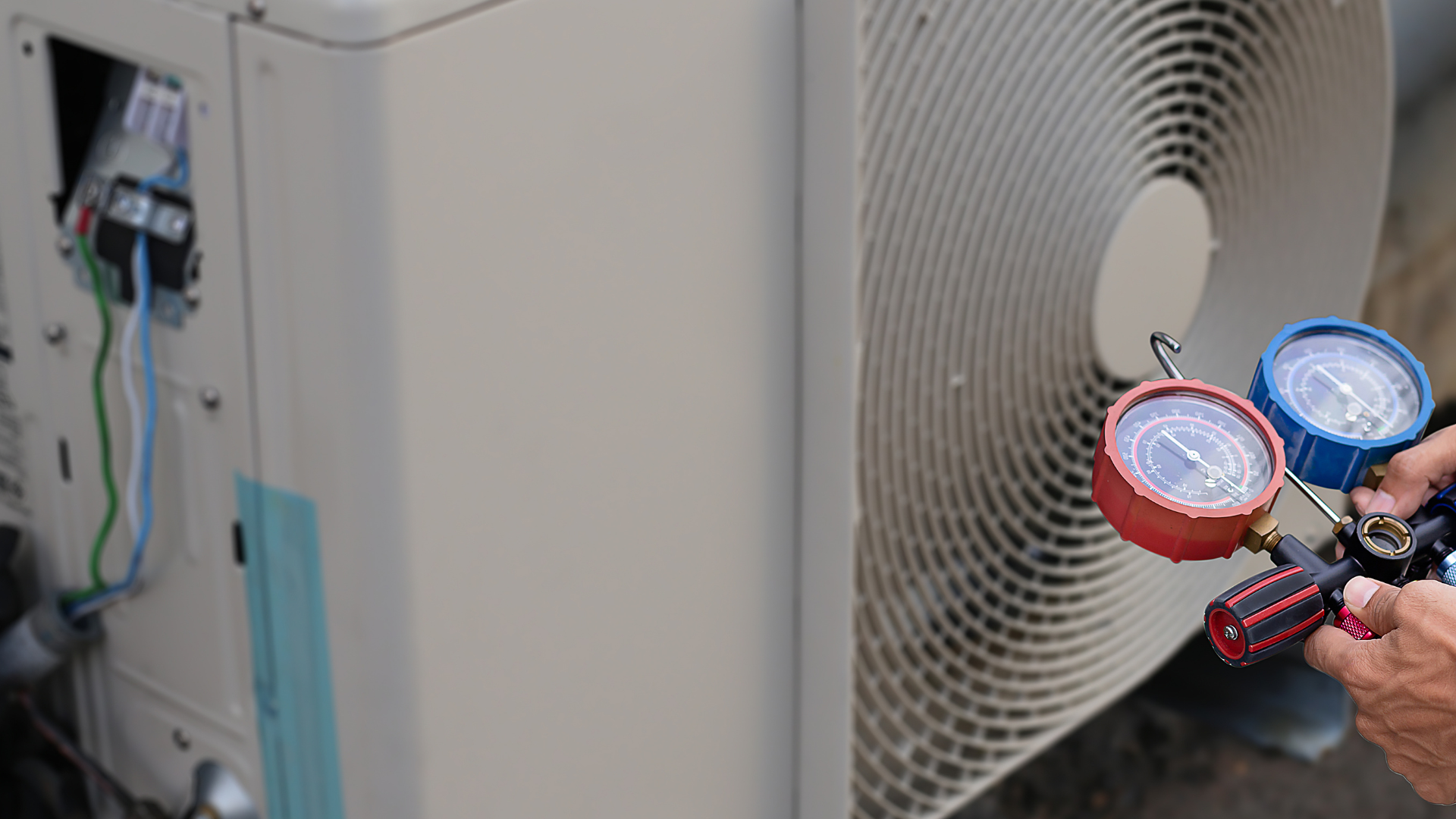
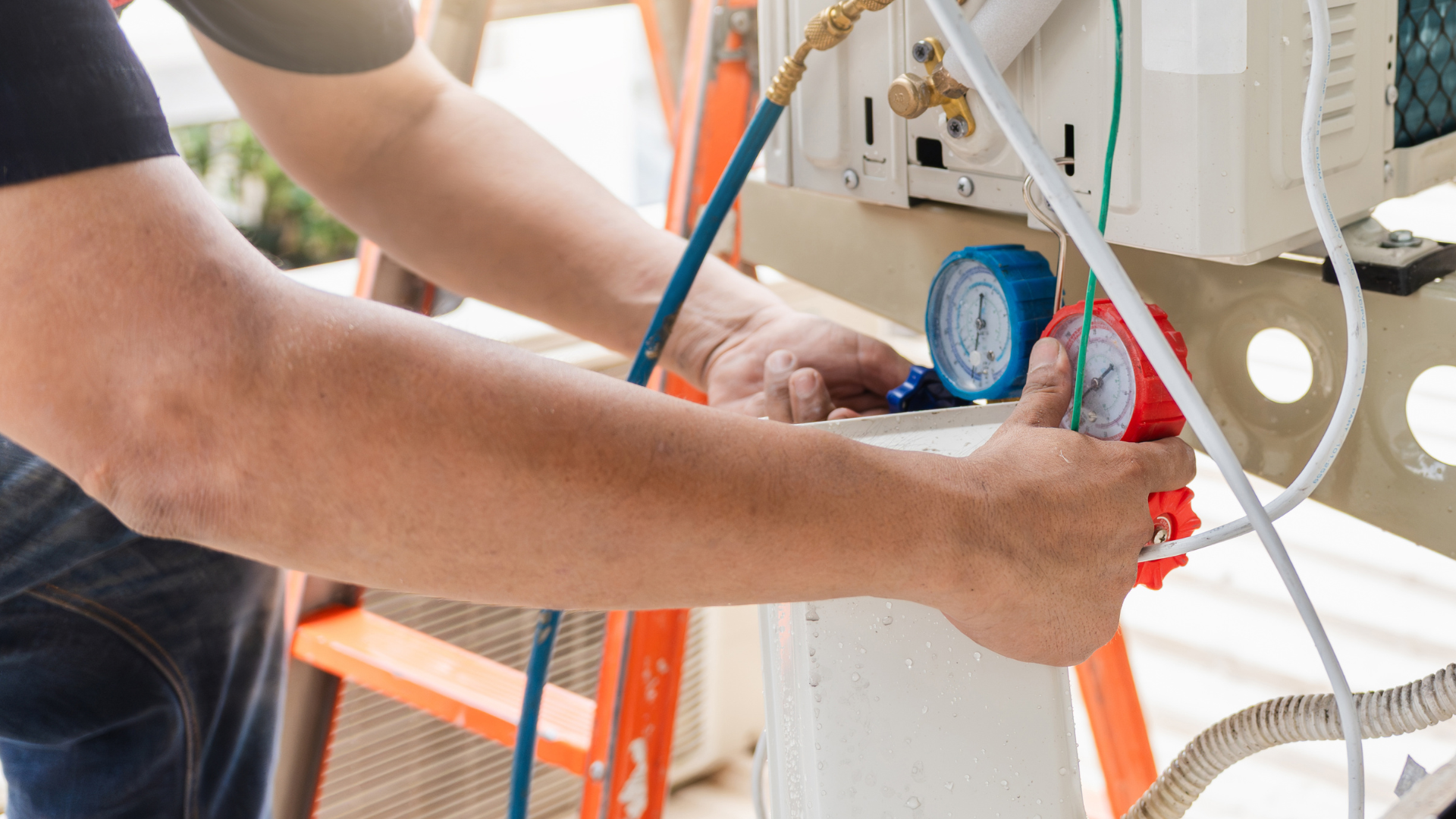
Refrigerant issues: Low refrigerant can affect the pressure inside the system and interfere with normal cooling cycles. In some cases, refrigerant problems can cause the AC to shut down early and restart again shortly after.
Because refrigerant issues may involve leaks or pressure imbalances, they should be inspected by a licensed HVAC technician.
Oversized AC system: Bigger is not always better when it comes to air conditioning. If an AC unit is too large for the home, it may cool the space too quickly and shut off before completing a full cycle. Then it starts up again soon after as temperatures shift.
An oversized system may sound efficient, but it can actually lead to short cycling, uneven temperatures, and poor humidity control.
Dirty or frozen evaporator coils:
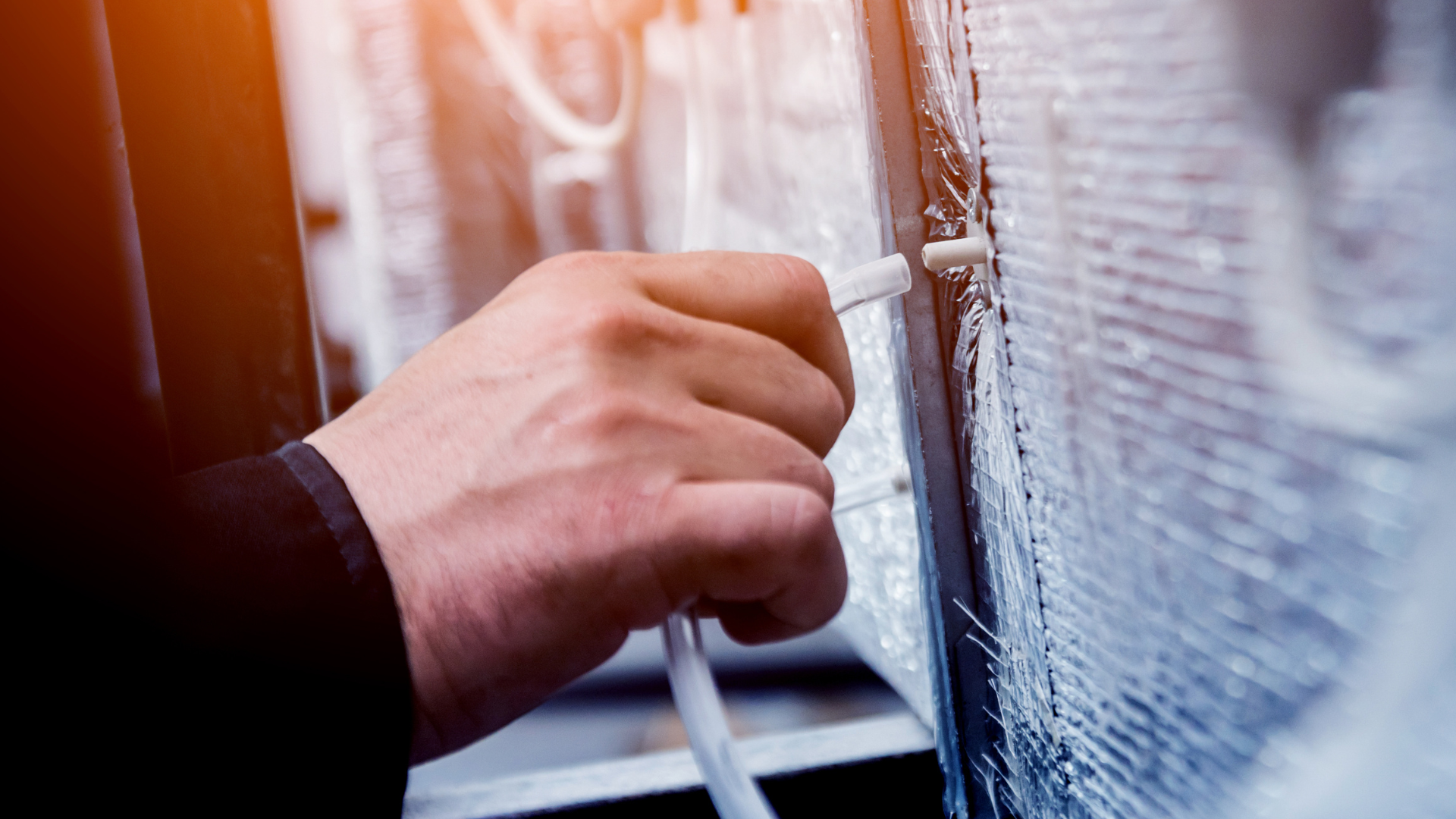
When evaporator coils become dirty or freeze up, the system may not be able to operate normally. This can interrupt proper cooling and contribute to repeated cycling issues.
Frozen coils are often linked to airflow restrictions or refrigerant problems.
Electrical or control board issues:
Faulty electrical components, relays, capacitors, or control boards can also cause the system to start and stop irregularly. These issues are harder to diagnose without professional testing.
Signs Your AC May Be Short Cycling
If you think your system may be short cycling, there are a few warning signs to watch for.
- The AC turns on and off every few minutes: This is the clearest sign of short cycling. If the unit rarely runs for long, something is wrong.
- Your home does not feel consistently cool: Even if the AC is running often, your home may still feel warm, muggy, or unevenly cooled.
- Your utility bills are climbing: An increase in cooling costs without a clear reason may be a sign that your system is operating inefficiently.
- You hear frequent startup noises: If you constantly hear the system kicking on and off, it may be cycling more often than it should.
What Homeowners Should Do First
There are a few simple things homeowners can check before calling for service.
- Replace the air filter: If the filter is dirty, replacing it may help restore airflow and improve system performance.
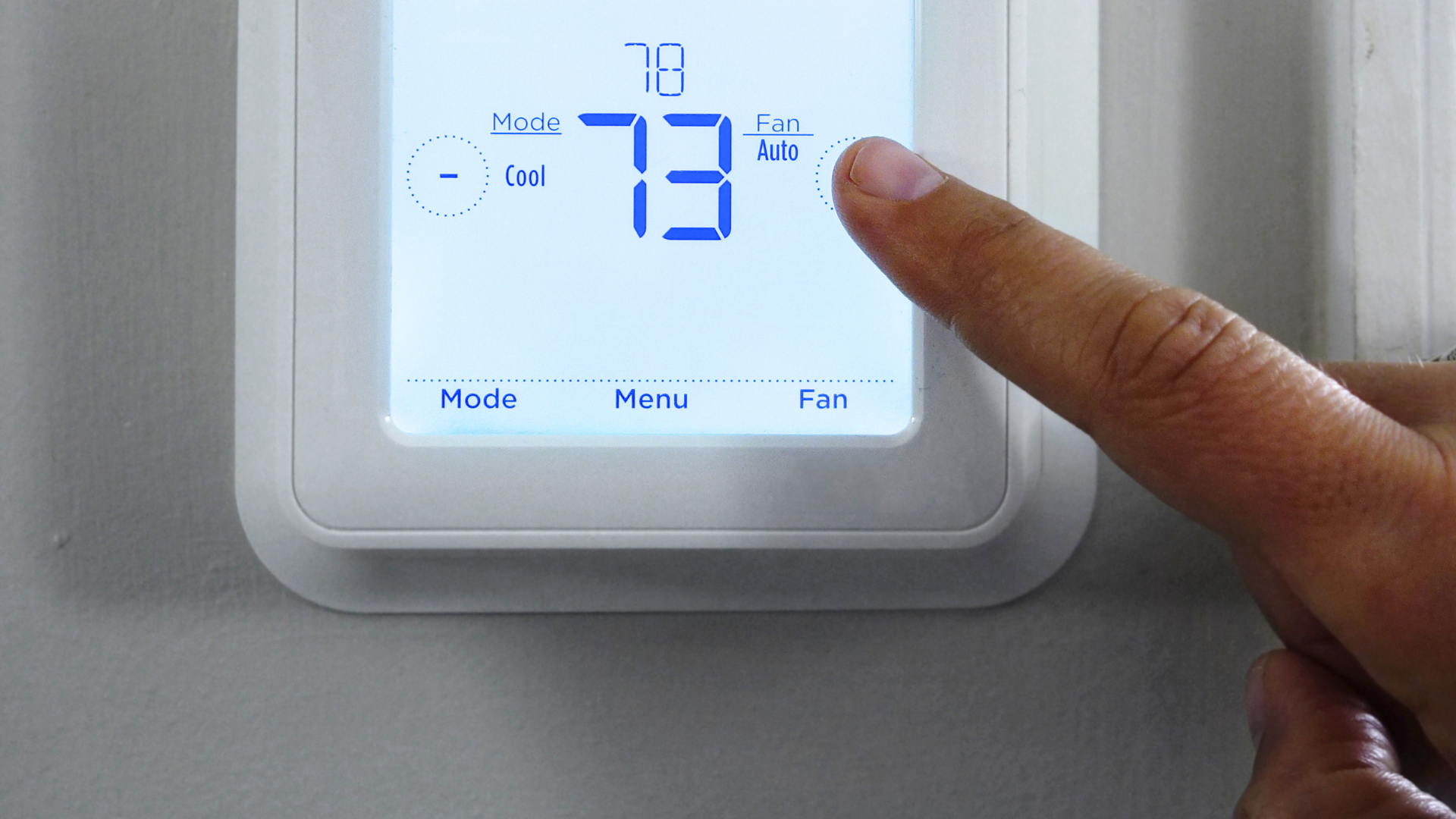
- Check the thermostat setting: Make sure the thermostat is set to cool and that the temperature is appropriate. If the thermostat seems inaccurate, it may need adjustment or replacement.
- Look for blocked vents: Make sure vents and return air grilles are open and not blocked by furniture, curtains, or rugs.
If the system continues short cycling after these basic checks, it is time to schedule professional service.
Why Professional Diagnosis Matters
Short cycling can have more than one cause, and the wrong fix can waste time and money. A professional HVAC technician can inspect the system, test the thermostat, check refrigerant levels, evaluate airflow, and identify whether the issue is related to sizing, electrical components, or another repair need.
Prompt diagnosis can help protect your system from additional wear and keep a minor issue from becoming a major repair.
How Preventive Maintenance Helps Prevent Short Cycling
Routine AC maintenance is one of the best ways to reduce the risk of short cycling. Regular service helps keep filters, coils, and components clean and functioning properly. It also gives technicians the opportunity to spot refrigerant issues, thermostat problems, and worn parts before they cause bigger performance problems.
In Texas, where air conditioners are used heavily for much of the year, preventive maintenance is especially valuable.
AC Repair Services for Short Cycling Problems
If your air conditioner keeps turning on and off,
Mr. Chill Heating & Air is ready to help.
We proudly provide professional
AC repair,
maintenance, and
installation services for homeowners in:
Tomball, Spring, Cypress, Klein, The Woodlands
Our experienced technicians can identify the cause of your short cycling problem and recommend the right solution to restore comfort and efficiency.